
When Climate Change Hits the Jam Jar

From disappearing wild blueberries to GEFF-backed green finance, one woman’s journey shows how climate change is transforming women-led businesses in Mongolia.
Otgon-Erdene Vandag, originally trained in textile technology, together with her elder brother, Altangerel Vandag, decided to enter the food-processing business. In 2012, she founded Dalai Huch LLC, producing a Mongolian-made ketchup using tomato paste imported from China.
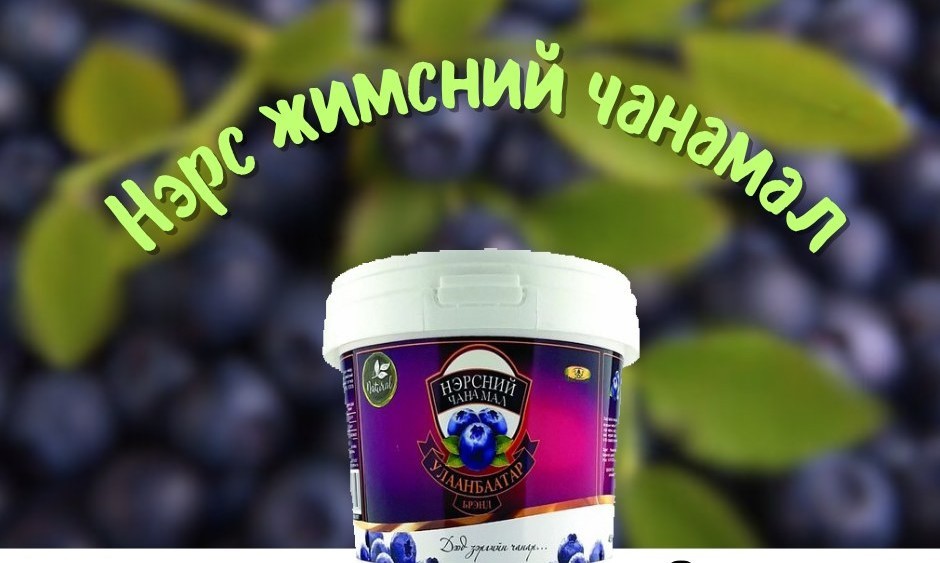
The growing popularity of the brand, known to consumers as “Ulaanbaatar”, soon encouraged Otgon-Erdene to expand production. She began making jams from imported fruits as well as locally sourced berries, particularly wild blueberries purchased from Indigenous communities living in the taiga of northern Mongolia. The jams quickly gained attention for their rich flavour and highly competitive price.
“We always strive to deliver the best possible quality to our customers,” says Otgon-Erdene. “After two years of sourcing fruit from China, we decided to improve quality further by importing apricots, plums, and raisins grown in Central Asia through Russia, despite the higher costs.”
According to loyal customer Tuul Chultem, Ulaanbaatar jams stand out not only for their taste, but also for their affordability. “I love all of “Ulaanbaatar”s products, especially the blueberry jam made from locally harvested wild blueberries,” she says. “A jar costs around 7,000 MNT. For an organic product, that is extremely affordable — and much better quality than imported jams full of preservatives and chemicals.”
To secure the best raw materials for her signature blueberry jam, Otgon-Erdene used to travel herself to northern Mongolia to purchase tones of wild blueberries directly from reindeer-herding communities, the indigenous inhabitants of the taiga. In recent years, however, she has witnessed a sharp decline in blueberry harvests. “Due to climate change and unsustainable berry-picking practices, blueberry yields have dropped dramatically,” she explains. “What used to grow every year now grows only every second year — and in much smaller quantities. As the berries have become rarer, prices have risen sharply, especially as larger companies have also entered the market.”
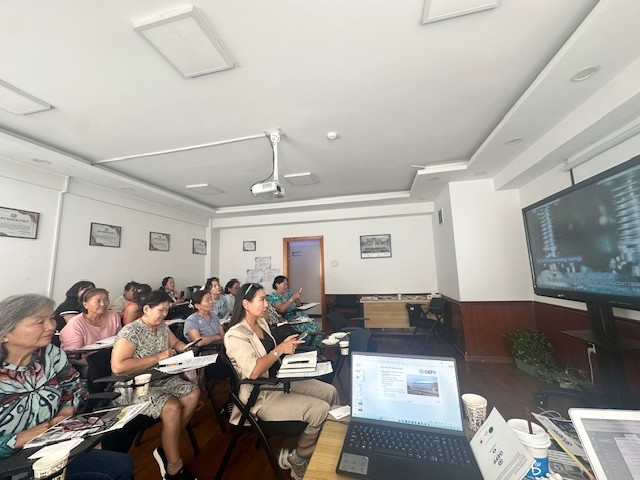
These challenges resonated strongly with Otgon-Erdene when she participated in the climate change and gender equality training delivered by European Bank for Reconstruction and Development’s Green Economy Financing Facility (GEFF) in Mongolia in partnership with the Women in Business Centre.
Otgon-Erdene was one of over three dozen of women entrepreneurs who took part in the trainings, delivered by GEFF Mongolia’s gender specialist. The sessions explored how climate change — which is particularly visible in Mongolia — disproportionately affects women entrepreneurs, who often face greater vulnerability due to their roles in family life, limited access to assets, and structural barriers in finance. “Women entrepreneurs are often the first to feel the impact of climate change because their businesses depend directly on natural resources and family livelihoods,” says Erdenechimeg Narangerel, the head of the Women in Business Centre. “Trainings like this help women turn climate challenges into practical business decisions, rather than losses.”
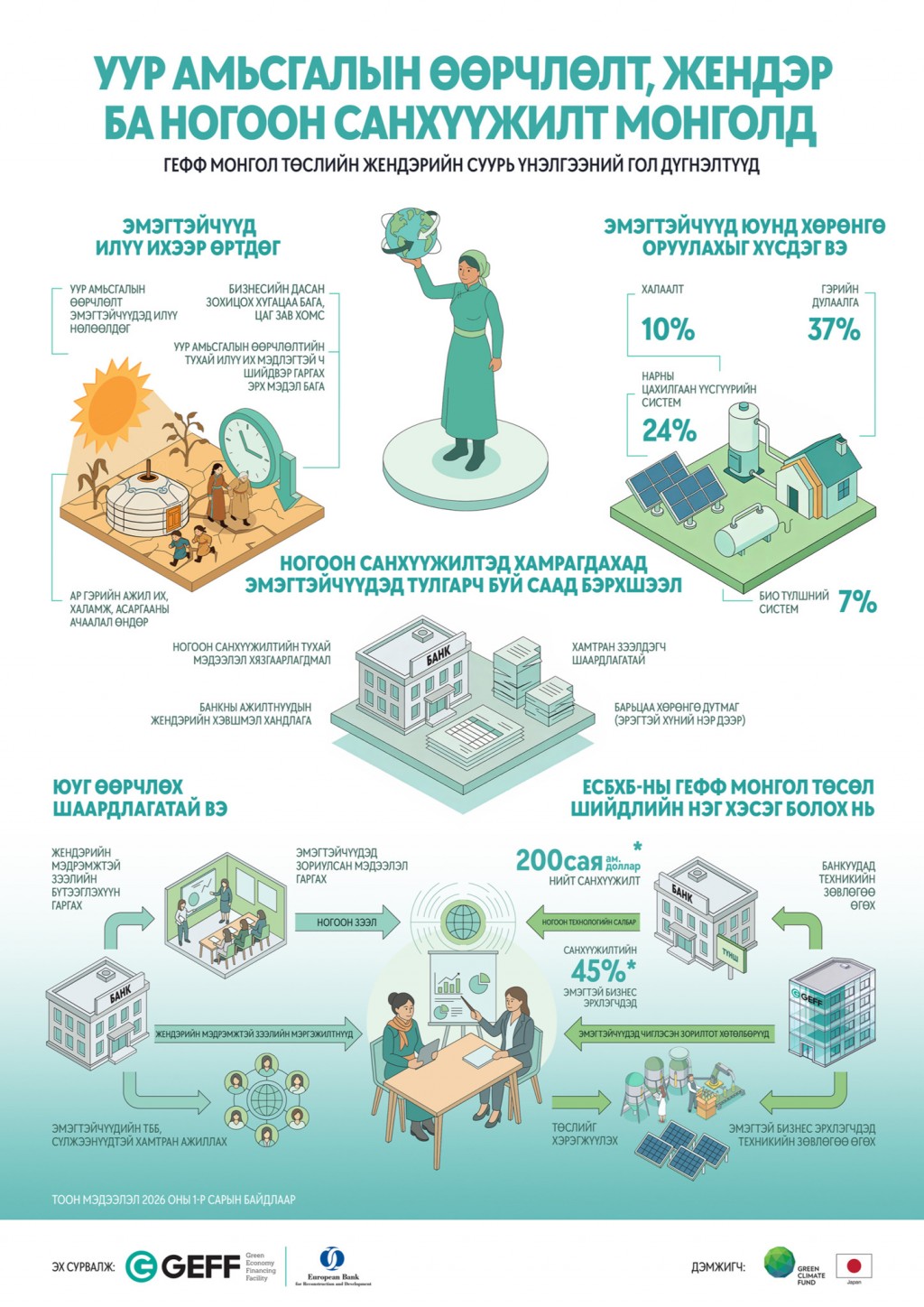
These findings align with the gender assessment conducted by GEFF Mongolia in 2022, prior to the launch of green technology financing through partner banks, including Khan Bank and XAC Bank. The assessment identified multiple constraints facing women-owned businesses, including the absence of a legal definition of women’s enterprises, high collateral requirements, and the frequent registration of real estate and other assets in male family members’ names as well as individual gender stereotypes defining loans decision-making of the banking personnel.
Despite consistently strong loan repayment records, women entrepreneurs are often offered smaller loans, limiting their ability to expand or diversify their businesses.
“Attending the GEFF training was very helpful, because it directly addressed the real challenges women entrepreneurs face in Mongolia,” says Otgon-Erdene. “Now that climate change and unsustainable resource use have effectively halted production of our most popular product, we must find new ways to continue our business.”
Her next step is to purchase land outside Ulaanbaatar to grow tomatoes for ketchup production using natural farming methods, and to plant sea buckthorn trees as a sustainable alternative to blueberry-based products. “What matters most to us is keeping our products organic and natural, so we can retain the trust of our customers,” she says. “At the same time, we want to keep prices affordable for families across the country.”
Through the GEFF climate and gender training, Otgon-Erdene and more than 40 other women entrepreneurs also learned about opportunities to finance green technologies and energy-efficient solutions that reduce costs while supporting Mongolia’s green transition. Otgon-Erdene has already explored the Green Technology Selector (GTS) — GEFF Mongolia’s online catalogue featuring over 1000 verified green technologies available on the local market, ranging from insulation materials and energy-efficient windows to modern production lines.
“We already use relatively modern equipment, but we are also interested in new green technologies offered through GEFF as we plan to expand production once we begin growing our own raw materials,” she says. Many businesses in Mongolia have found the GTS a practical tool for identifying suitable green technologies and accessing loans for verified energy-saving solutions. With GEFF projects active in 24 countries, technology exchange across markets further expands available options.
Otgon-Erdene also values GEFF Mongolia’s free engineering and financial advisory services. “It is not easy for a woman entrepreneur to access loans in Mongolia,” she notes. “That’s why it was so encouraging to learn that nearly 45 percent of GEFF loans go to women-owned businesses.” This experience is increasingly reflected in lending practice, say partner banks. “Supporting women-led green businesses is not only fair — it is smart banking, tapping into an enormous potential of women in business” says Bulganchimeg Enkhtuya, the Green Finance Manager of Khan Bank’s Loan Product Development and Green Banking Division. “These businesses invest carefully, repay reliably, and contribute directly to Mongolia’s sustainable growth.”
To date, GEFF Mongolia has disbursed approximately USD 105 million of its USD 200 million allocation from EBRD, with about 45 percent supporting women-led enterprises across agriculture, manufacturing, construction, hospitality, education, trade, health, and other sectors. “We plan to remain active in Mongolia for another three years,” says Stanislav Dubko, GEFF Mongolia Team Leader. “We are committed to continuing our support for women entrepreneurs and ensuring gender-responsive lending practices.”
As a development institution, EBRD aims to embed green financing practices within local banking systems. Once local banks are fully capable of managing green loan portfolios independently, EBRD gradually steps back — leaving behind stronger institutions and a lasting contribution to the country’s green transition.
The Green Economy Financing Facility (GEFF) in Mongolia was developed by the European Bank for Reconstruction and Development (EBRD) and is supported by the Green Climate Fund and the Government of Japan.
Views: 7189
Tweet