
Mongolian-Polish cooperation in the health sector is strengthening

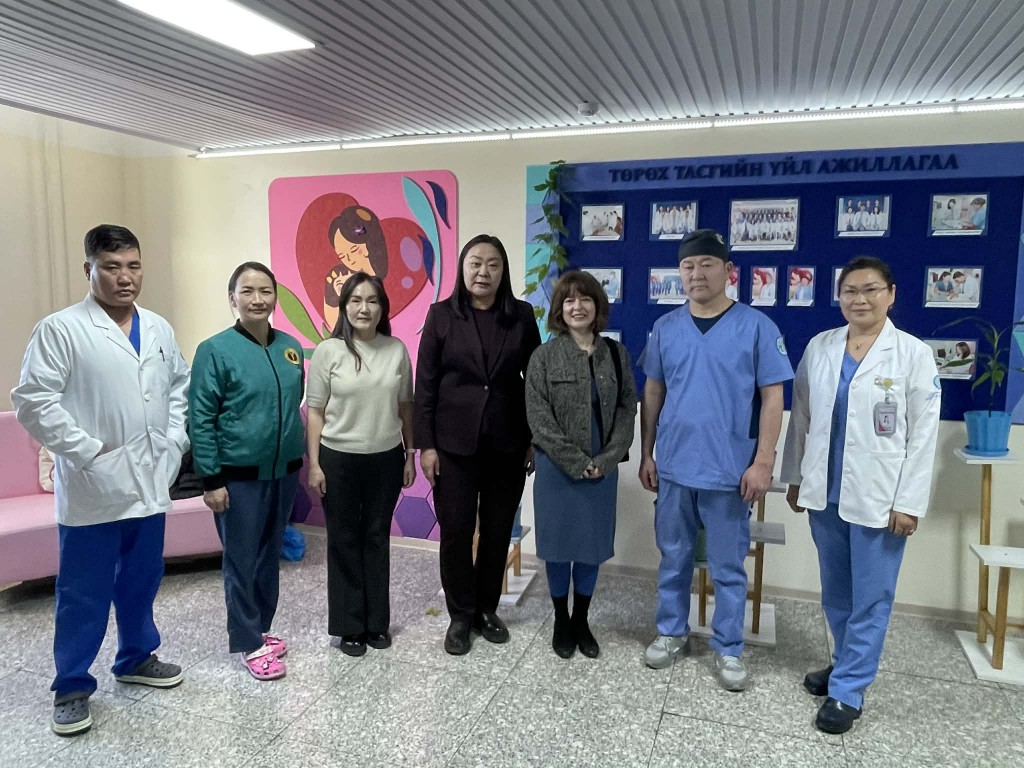
The Embassy of Poland in Ulaanbaatar is working on strengthening local-level cooperation, particularly in the health sector.
Modern relations between Mongolia and Poland date back to April 14, 1950, when diplomatic ties were formally established. Mongolia opened its embassy in Warsaw in 1959, and Poland opened its embassy in Ulaanbaatar in 1960. Since then, the two countries have been cooperating across a wide range of sectors, including politics, society, economy, trade, education, culture, science, and defense.
In recent years, bilateral relations and cooperation have continued to expand, as evidenced by high-level reciprocal visits. In April 2023, President Andrzej Duda of Poland paid a state visit to Mongolia at the invitation of the President of Mongolia, Ukhnaagiin Khurelsukh. In turn, President Khurelsukh paid a state visit to Poland on March 13–14, 2025, at the invitation of President Duda.
During the 2025 visit, the two countries announced the establishment of a Comprehensive Partnership and signed numerous cooperation agreements. One of the tangible outcomes of these agreements is the growing collaboration in the health sector.
Relevant institutions from both sides are working together to introduce European standards into the production, storage, and distribution of medical products in Mongolia. They are also exchanging information on pharmaceutical registration, safety, and surveillance. Furthermore, the two countries are cooperating to increase the availability and use of safe, high-quality medicines, medical devices, and health supplements in Mongolia, thereby improving the quality and accessibility of healthcare services.
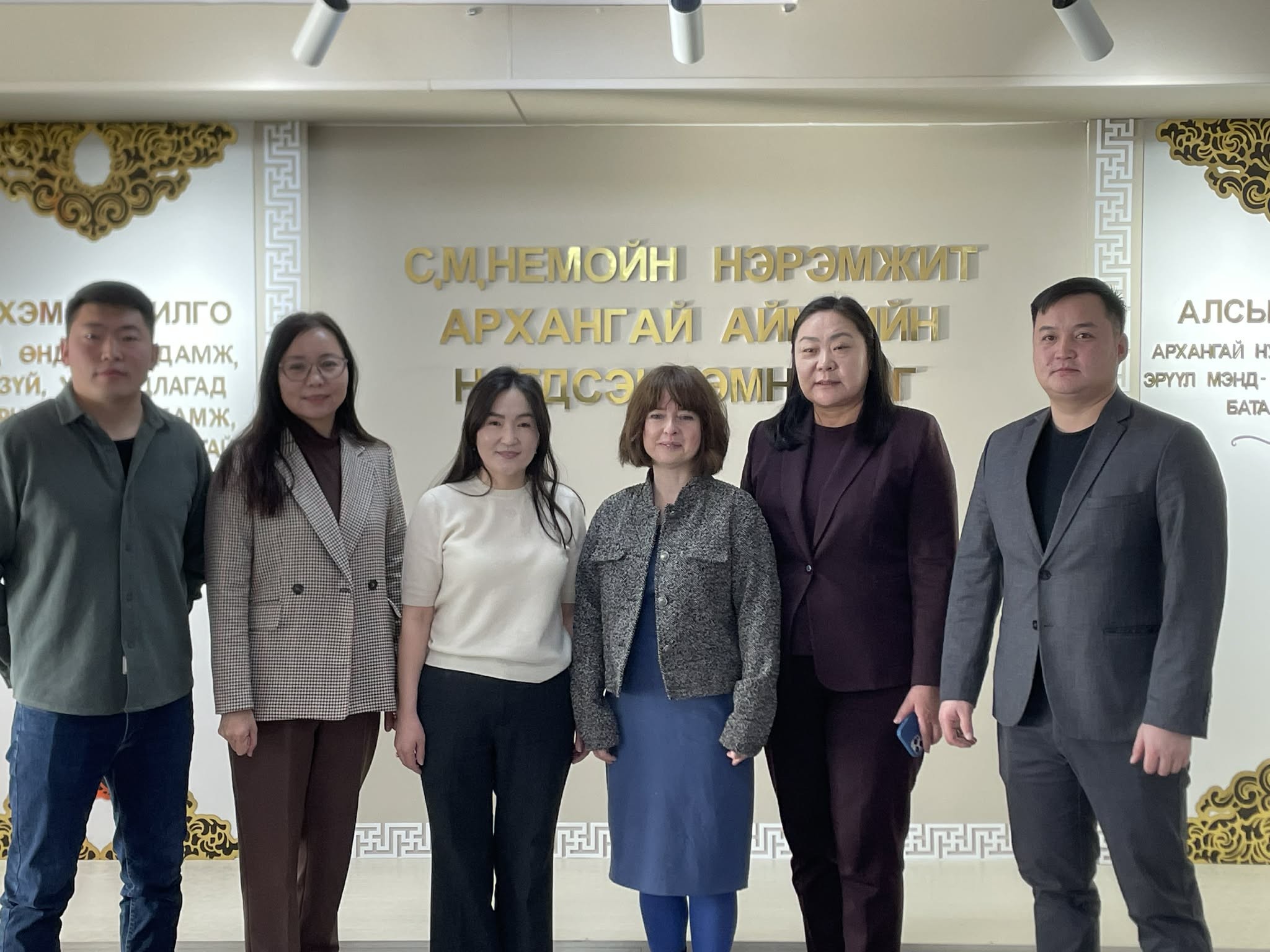
As part of these efforts, the Chargé d’Affaires of the Polish Embassy in Ulaanbaatar, Ms. Agata Obratańska, visited Arkhangai and Uvurkhangai provinces to review local healthcare services. During her visit to the Arkhangai Provincial Health Department and the Arkhangai General Hospital, she exchanged views on opportunities for further cooperation.
Head of the Arkhangai Provincial Health Department Gandiimaa said that a cooperation has recently been established with medical institutions in Kraków and the Małopolskie region of Poland. Six doctors from Arkhangai completed professional training at the John Paul II Hospital Krakow and the Ludwik Rydygier Hospital. Cardiovascular diseases are prevalent in Arkhangai province, with high mortality rates from heart attacks and strokes. Therefore, intensive care and cardiology specialists were trained at John Paul II Hospital, while surgeons received training at Ludwik Rydygier Hospital. Beyond human resource exchange, the cooperation also aims to facilitate technology transfer, share best practices, and potentially host Polish doctors in Arkhangai. Plans are underway to establish specialized units and introduce advanced technologies not only for Arkhangai residents but for the broader western region of Mongolia.
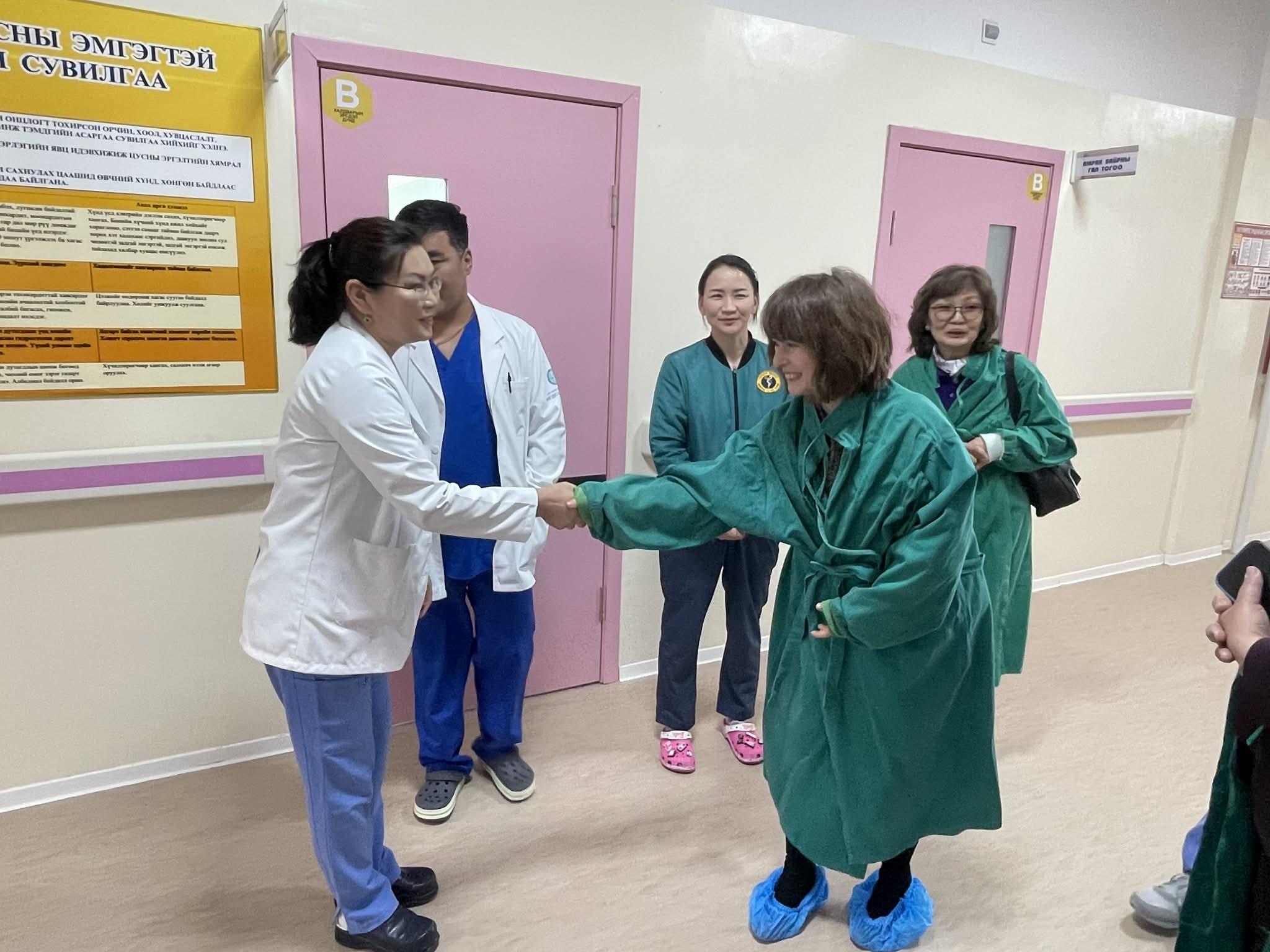
Arkhangai General Hospital has 323 staff members, including physicians, nurses, specialists, and support personnel. With 17 departments covering both general and specialized care, the hospital serves more than 93,000 residents of the province.
Director of the Arkhangai General Hospital Narantuya: A general surgeon with 24 years of experience, noted that the facility provides services to approximately 1,000 patients daily, including 850–900 outpatients and 150–170 inpatients. Over 95 percent of births in the province take place at the hospital. It also provides referral-level specialized care to approximately 94,000 residents and performs chemotherapy and palliative chemotherapy treatments. Surgical services include general, urological, oncological, maxillofacial, and ENT procedures, as well as comprehensive obstetric and gynecological surgeries. The hospital plans to introduce laparoscopic gynecological surgery, angiography services, early-stage stroke and cardiovascular emergency care, and eventually robotic surgery.
The John Paul II Hospital and the Ludwik Rydygier Hospital in Kraków are considered among Europe’s leading centers for cardiovascular and advanced surgical procedures. Doctors from Arkhangai who trained there shared their experiences.
Gereltuya, a cardiologists at the Arkhangai General Hospital highlighted the advanced surgical techniques, interventional procedures, and rigorous post-operative monitoring practices observed at John Paul II Hospital. Although Arkhangai currently lacks the equipment and experience for complex cardiac surgeries, improvements in echocardiographic diagnostics, post-operative monitoring, and inpatient safety could be implemented immediately.
Bat-Usukh, a urological surgeon in the General Surgery Department, trained for 14 days at the Ludwik Rydygier Hospital. He said a urological surgeon emphasized the potential introduction of laser prostate surgery in Mongolia. While laparoscopic surgery is already practiced locally, laser equipment is not yet available. In Poland, both laser and minimally invasive procedures are widely performed. He also noted the use of robotic surgery—particularly for prostate cancer—using the Da Vinci Surgical System. While robotic surgery has only recently begun in Mongolia, Poland has already integrated it into routine practice over the past five years.
Erdenekhuu, an anesthesiologist and an intensive care specialist who participated in the exchange program praised the meticulous post-operative monitoring systems in Polish hospitals, where patients are closely observed—especially during the first 48 hours—with frequent diagnostic testing and structured follow-up protocols.
Under the cooperation between Arkhangai province and Poland’s Małopolskie region, doctors and specialists have enhanced their professional skills through training programs. Plans are underway to establish a modern emergency center at Arkhangai General Hospital to provide urgent care for cardiovascular diseases and strokes across Mongolia’s western provinces.
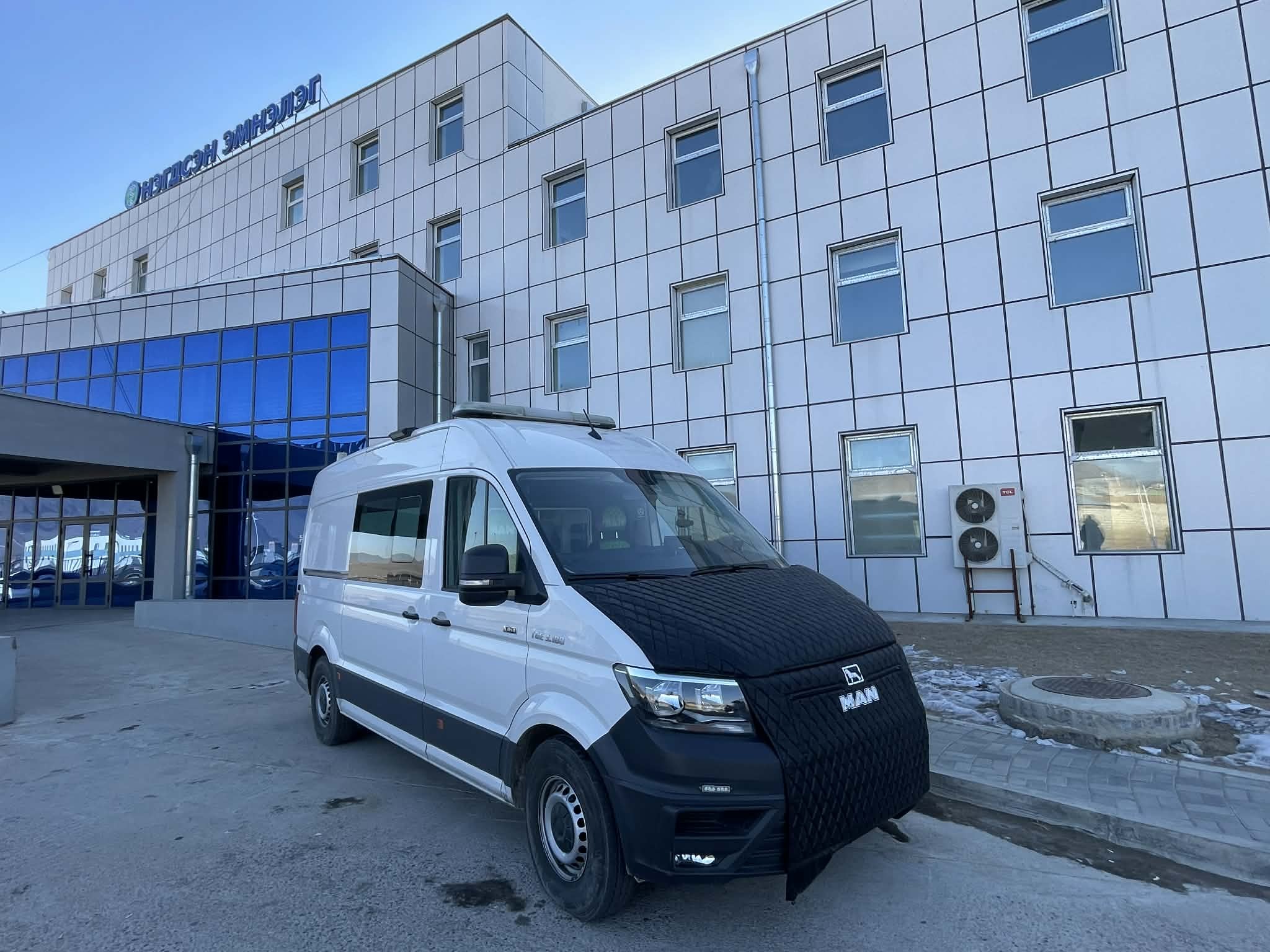
Fully equipped emergency vehicles, medical equipment, surgical instruments, and medical supplies have already been prepared for transport under the project, signaling that implementation has entered a practical phase. Introducing advanced European treatment practices to remote regions will lay the foundation for similar healthcare initiatives in other provinces.
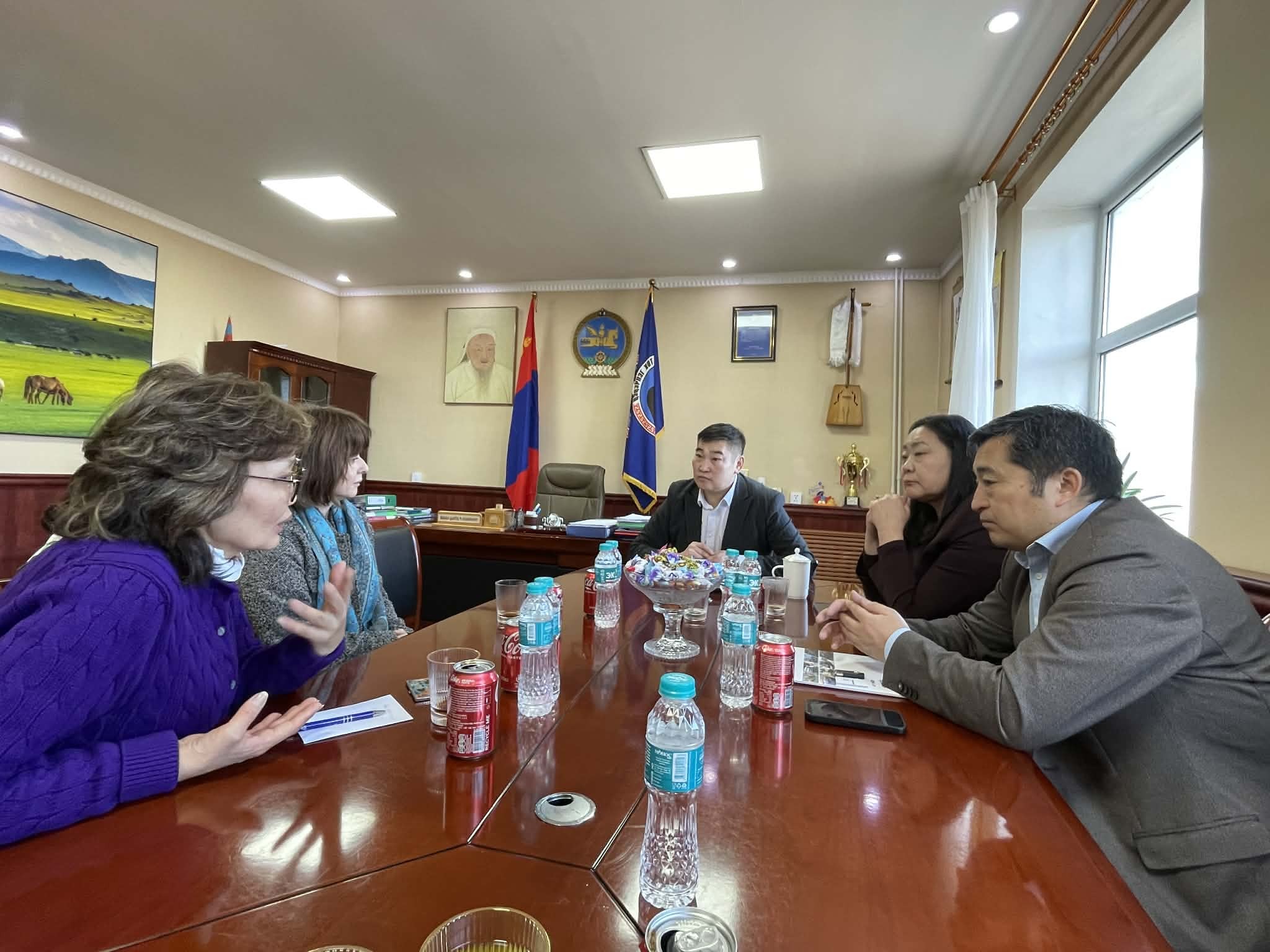
There are also plans to establish sister-city relations between Tsetserleg and Kraków and to implement phased programs in 2026–2027 focusing on strengthening local administrative capacity, cultural exchanges, museum exhibitions, professional exchanges in healthcare, medical equipment supply, and agricultural training seminars. The foundation for this cooperation has been actively supported by Mongolia’s Honorary General Consul to the Republic of Poland, Ts. Urtnasan.
Gombodorj, Head of the Department of State Administration and Management at the Governor’s Office of Arkhangai Province, stated that “Thanks to Honorary General Consul Ts.Urtnasan, who is based in Kraków, Poland, Arkhangai province has established and elevated cooperation with Poland—particularly with the city of Kraków—over the past two to three years. One clear example of this is the visit of a delegation led by the Marshal of Kraków to Arkhangai Province, during which Mongolian–Polish Cultural Days were successfully organized. We are cooperating in the fields of healthcare, education, agriculture, and urban development and public services. Our initiatives in the healthcare sector are already yielding results, with doctors from our province having completed professional training in Poland.”
Previously, under the tied aid credit agreement between the Governments of Mongolia and Poland, a project was successfully implemented to supply specially equipped ambulances to rural areas. As part of this initiative, 33 ambulances manufactured by the Polish automotive engineering company Stolarczyk, were delivered to local hospitals to provide emergency services to rural communities.
During her provincial visit, Ms. Obratańska reaffirmed that the Polish Embassy in Ulaanbaatar will continue prioritizing the expansion of bilateral and local-level cooperation. She also introduced plans to train and build the capacity of maternal and child health specialists in Poland.
Cooperation is further expanding between Mongolia’s Medicines and Medical Devices Regulatory Authority and its Polish counterparts, focusing on regulatory best practices, information exchange, and exploring opportunities for centralized procurement of medicines and medical devices.
Through these initiatives, Mongolian-Polish cooperation in the health sector is not only strengthening institutional ties but also delivering tangible benefits to communities, particularly in Mongolia’s remote and rural regions.
Views: 11261
Tweet
maricela.veli@m.spheremail.net
11 Mar 2026 05:19:30
I have a question, can you contact me at maricela.veli@m.spheremail.net ? Cheers!